
Reclaiming Acreage That Brush Has Taken Over
Pasture and field reclamation in Enoree for acreage affected by brush growth, saplings, and vegetation limiting agricultural or recreational use
Rural acreage that has gone unmanaged for several years rarely stays open on its own. Brush encroaches from field edges, saplings take hold in cleared areas, and what was once a functional pasture or open field becomes a tangle of mixed growth that blocks access, competes with desirable ground cover, and makes the land unusable for grazing, haying, or recreation. Masengale Land Service handles pasture and field reclamation for landowners in Enoree who need to restore acreage that encroachment has reduced in usability, working through the vegetation in a sequence that matches what the land is intended to do once it is cleared.
The reclamation process involves assessing the current vegetation—what is growing, how dense it is, and what size material is involved—then clearing and mulching suitable growth using equipment scaled to the terrain and the vegetation type. Smaller brush and saplings can typically be mulched in place, returning organic material to the soil surface without hauling it off-site. Larger-diameter woody growth may require a different approach depending on the desired final condition of the field. Existing fencing, irrigation infrastructure, or drainage features on the property are identified during site assessment and worked around rather than removed unless the property owner has specifically planned for changes to those features.
Landowners ready to discuss their acreage can share current conditions, the size of the affected area, and their plans for how the reclaimed space will be used going forward.
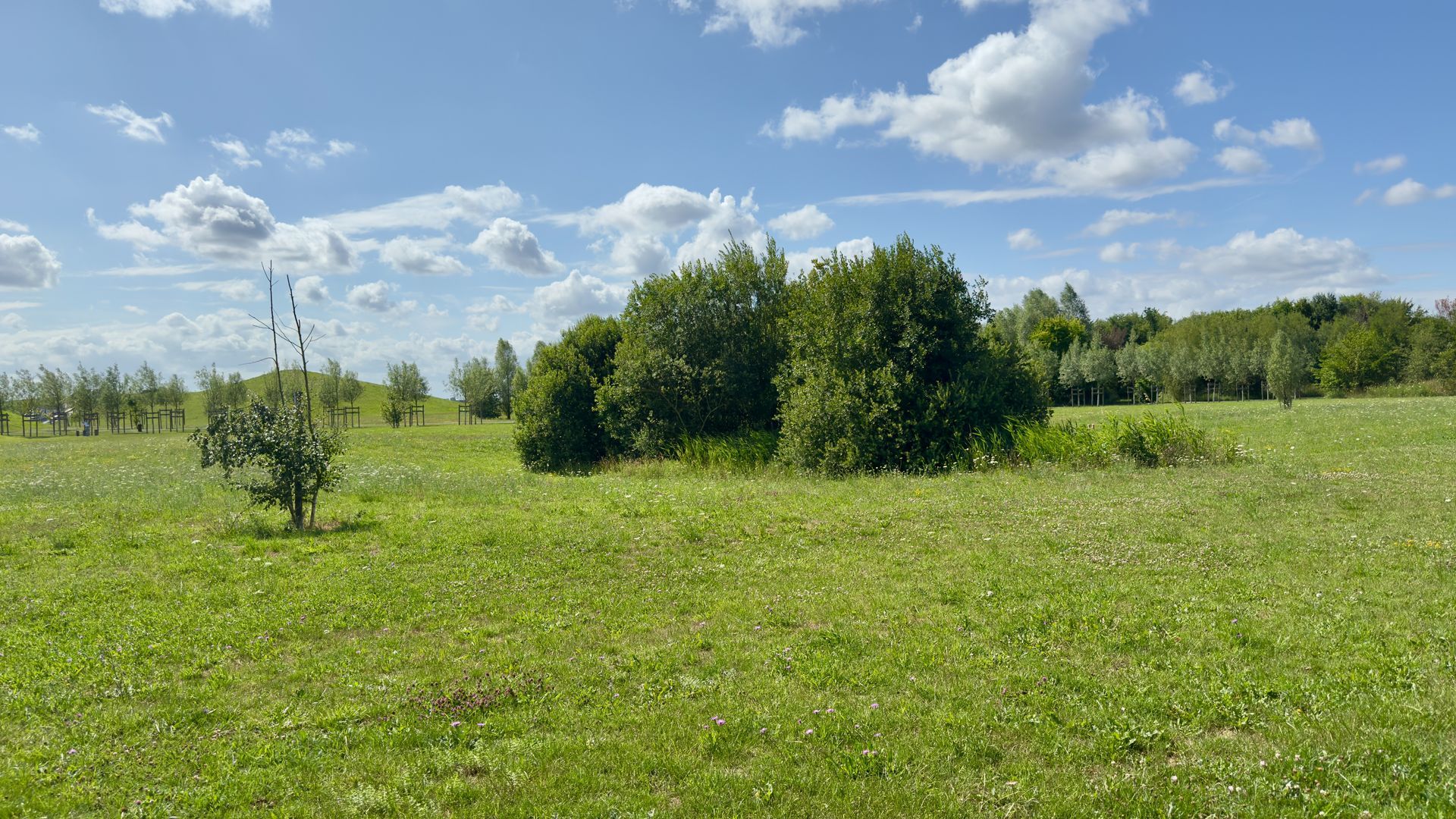
What Pasture Reclamation Actually Accomplishes
Reclamation work proceeds differently depending on terrain. Flat open areas with uniform brush can be worked in systematic passes that clear the growth efficiently and leave a consistent mulched surface. Sloped or uneven terrain requires more attention to equipment positioning and working direction to avoid disturbing the soil structure that keeps slopes stable once the vegetation is removed. In areas where saplings have developed significant root systems, cutting and mulching the above-ground material is a first step that may need to be followed by a maintenance pass once regrowth emerges, since many brush species resprout aggressively from cut stumps without follow-up treatment.
After reclamation, the previously inaccessible areas become passable by foot and equipment, and the visible boundary between maintained and unmanaged land is restored. Where the field was being encroached from the edges, the cleared perimeter also makes it practical to establish a regular mowing or grazing pattern that prevents brush from regaining a foothold in subsequent years. Masengale Land Service leaves the cleared area in a condition that supports whatever the next land management step is—whether that is seeding, grazing introduction, or simply restoring access for recreational use.
Project scope is shaped by the total acreage involved, the density and species of existing growth, the terrain across the field, and whether any existing infrastructure—fencing, water lines, established trees—requires careful working proximity. Landowners with a mix of field types on the same property may find that different zones require different approaches within the same overall reclamation project.
Questions Before Starting Your Reclamation Project
The questions below address how pasture and field reclamation work is planned and carried out, including what factors affect the scope of the project and what landowners should consider when deciding how to approach overgrown acreage.
How does vegetation size affect which clearing method is used?
Smaller brush and saplings—typically under three to four inches in diameter—can be mulched efficiently with a forestry mulcher that processes the material in a single pass. Larger trees or heavy-diameter woody growth may require individual felling and separate processing before the mulcher can work the area effectively.
What should landowners do about existing fence lines before reclamation begins?
Fence lines running through or adjacent to the reclamation area need to be identified and marked before equipment begins working. Wire and posts can damage equipment and create safety hazards if encountered unexpectedly, so walking the property boundary and flagging fence locations is a standard pre-work step.
Why do some brush species require follow-up clearing after the initial reclamation pass?
Species like sweetgum, privet, and many native briars resprout vigorously from cut stumps. An initial clearing removes the standing growth and opens the field, but without follow-up management—whether mechanical or chemical—these species can re-establish nearly as thick within one or two growing seasons.
What makes JusHow does terrain affect the sequence of reclamation work?t Roofin’ Around different from other roofing companies?
On sloped or uneven ground, equipment typically works across slopes rather than straight up and down to maintain stability and reduce soil disturbance. The sequence may also start at the highest accessible point and work downhill so that cleared material and debris are not deposited in the path of subsequent equipment passes.
What information helps define the scope of a reclamation project in Enoree?
Knowing the total acreage, the approximate age and density of the brush growth, what the land was used for before encroachment began, and what the intended future use is allows for a more accurate assessment of clearing method, equipment requirements, and realistic project scope before work begins.
Masengale Land Service also performs pasture and field reclamation in Laurens and the surrounding communities. When you contact Masengale Land Service, describing your acreage, the current condition of the growth, and how you plan to use the land after reclamation gives the information needed to assess your project accurately and plan the right approach.