
Wooded Acreage Prepared for What Comes Next
Land clearing in Enoree for overgrown lots, wooded homesites, and properties being readied for construction
Masengale Land Service handles land clearing for property owners in Enoree who are working with heavily wooded acreage, overgrown lots, or parcels that need to be functional before any construction or improvement can begin. Rural properties in this part of South Carolina frequently sit unmanaged for years before an owner is ready to build or develop, and by that point the vegetation—dense hardwoods, tangled undergrowth, and mature brush—has made the land essentially unusable without targeted clearing work. The difference between a wooded tract and a buildable homesite comes down to removing the right material in the right sequence.
The clearing process begins with understanding what the land will be used for. A property being prepped for a home foundation requires a different scope than one where the goal is a gravel access road or an open pasture. Masengale Land Service evaluates vegetation density, terrain grade, and the intended use before determining what gets removed, what gets processed on site, and how equipment is staged to work efficiently across the acreage. Properties with uneven terrain or areas where tree canopy has suppressed ground growth for decades often reveal soft spots, root systems, and drainage issues that only become visible once clearing begins—these factors shape the sequence of work from the first pass.
To receive an accurate estimate for your property, describe your acreage, the current vegetation conditions, and what you plan to do with the land once clearing is complete.
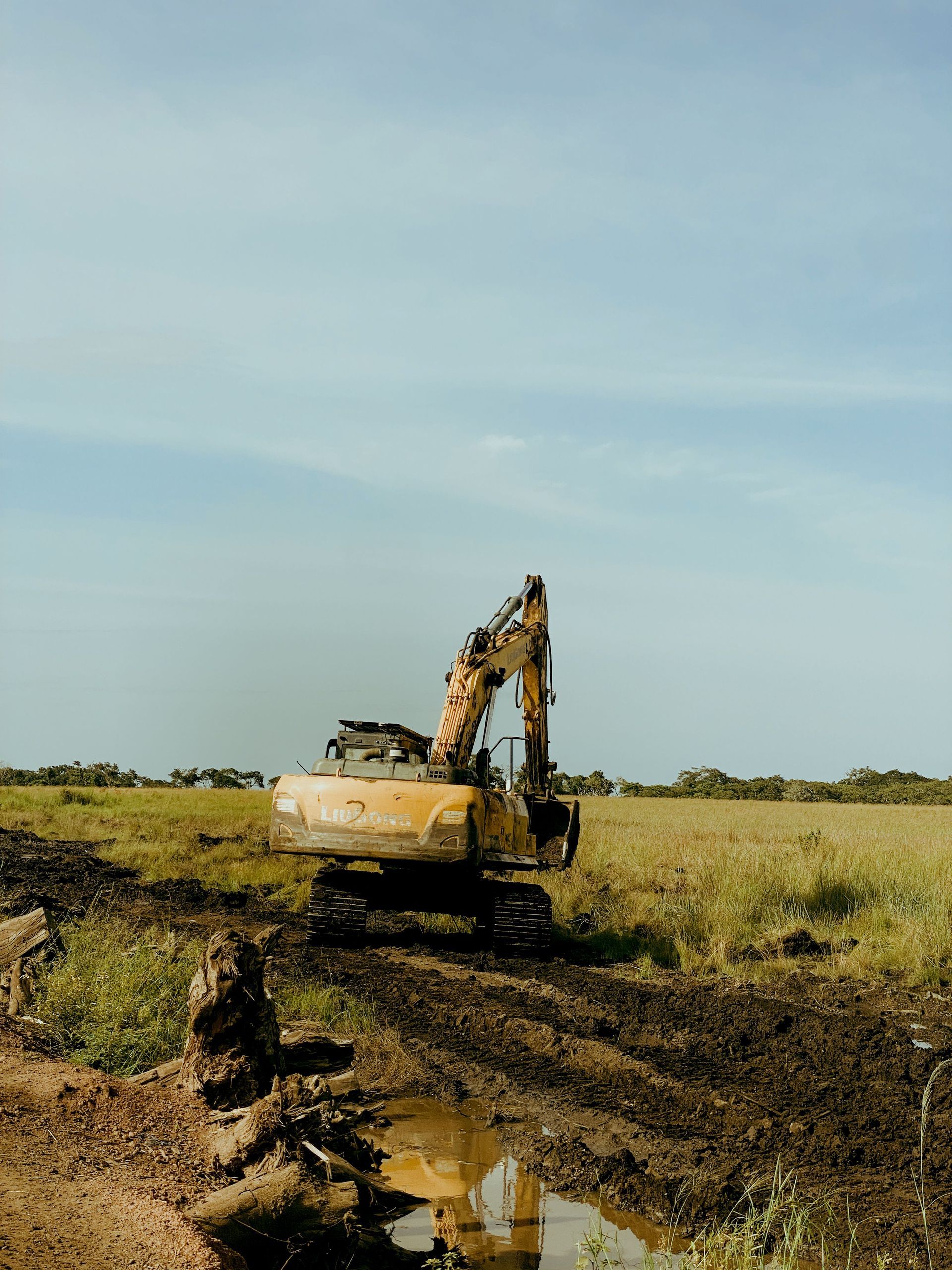
How Land Clearing Converts Unusable Property Into Functional Space
Clearing wooded or overgrown land involves more than simply cutting down trees. Equipment selection, felling direction, stump handling, and debris management all vary depending on the density of what's being removed and the condition of the ground underneath. On properties with mixed hardwood stands—which are common on rural Enoree-area tracts—larger trees are typically felled and processed first, opening the canopy so that undergrowth and secondary brush can be addressed without interference. Stump grinding or grubbing decisions are made based on what the land will support: a homesite pad requires full stump removal, while a fence line or access corridor may not.
Once clearing is finished, what you will notice immediately is unobstructed ground—visible soil, defined boundaries, and a surface that equipment, vehicles, or construction crews can actually access. Debris that was processed on site breaks down over time and presents no removal cost, while material that was hauled away leaves a clean surface ready for the next phase of work. The cleared area will also expose the actual terrain, which frequently differs from what aerial views or property maps suggest, and that visibility is critical before grading or building begins.
Not every tree or shrub on a clearing job needs to come out. Masengale Land Service can work to a defined boundary, preserving tree lines, buffer areas, or individual specimens that the property owner wants to keep while removing everything within the target zone. This selective approach requires more planning up front but avoids the cost and effort of replanting or screening later.
What Property Owners Ask About Land Clearing
The questions below address how land clearing actually works on wooded and overgrown properties, including what shapes the scope, how the work is sequenced, and what the finished site looks like.
What determines how a wooded lot is cleared?
Vegetation density, tree size, terrain grade, and intended land use all affect the approach—a heavily timbered tract with large hardwoods requires a different equipment and sequencing plan than a field overgrown with brush and saplings, and the end use determines how thoroughly stumps and root systems must be addressed.
How are stumps handled during a clearing project?
Stumps can be ground to below grade, grubbed out entirely, or left in place depending on what the cleared area will be used for—construction pads and graded driveways require removal, while trail corridors or pasture edges typically do not.
What happens to the trees and brush that are removed?
Material can be processed on site through grinding or mulching, chipped, piled for burning where local regulations permit, or hauled off the property—the right option depends on volume, material type, and what the property owner plans to do with the cleared surface.
Why does clearing a rural property in Enoree require a site visit before estimating?
Rural tracts in this area vary significantly in how much of the vegetation is mature timber versus dense secondary growth, and terrain features like creek bottoms or rocky slopes only become apparent on the ground—those conditions directly affect equipment access and project scope.
What should a property be cleared down to before construction begins?
For most construction purposes, the cleared area needs to be free of stumps, large root masses, and surface debris before grading and site prep can proceed—leaving organic material in the ground creates settlement issues under compacted fill or poured foundations.
Masengale Land Service works with property owners who are at the planning stage as well as those ready to start immediately—describing your acreage, vegetation conditions, and project goals when you call (864) 340-3393 gives the clearest starting point for scoping the work accurately.