
Stable Ground for Vehicles Before Surface Work Begins
Driveway grading and preparation in Enoree for rural properties, new construction, and uneven or difficult vehicle access corridors
A properly graded driveway corridor—one with adequate slope, shaped base, and controlled runoff—determines whether the finished surface holds up under regular vehicle use or deteriorates within a season. Masengale Land Service handles driveway grading and preparation for rural homes, new construction sites, and existing properties in Enoree where vehicle access is currently difficult, rutted, or poorly routed. The preparation phase is where the structural decisions get made, and skipping or shortcutting it creates problems that surface materials alone cannot fix.
Laying out the driveway route involves more than following the path of least resistance from the road to the structure. Grade must be shaped to move water off the driving surface and away from the building foundation, not toward it. On parcels with soft ground—common on low-lying or previously wooded land—the base preparation may include removing organic material, reworking the subgrade, and establishing a stable platform before any aggregate or surface material is placed. The intended vehicle use matters here: a route handling heavy trucks or equipment requires a different base depth and compaction standard than a standard residential driveway.
Contact Masengale Land Service to arrange an evaluation of your driveway location and intended vehicle use before planning surface materials or construction access.
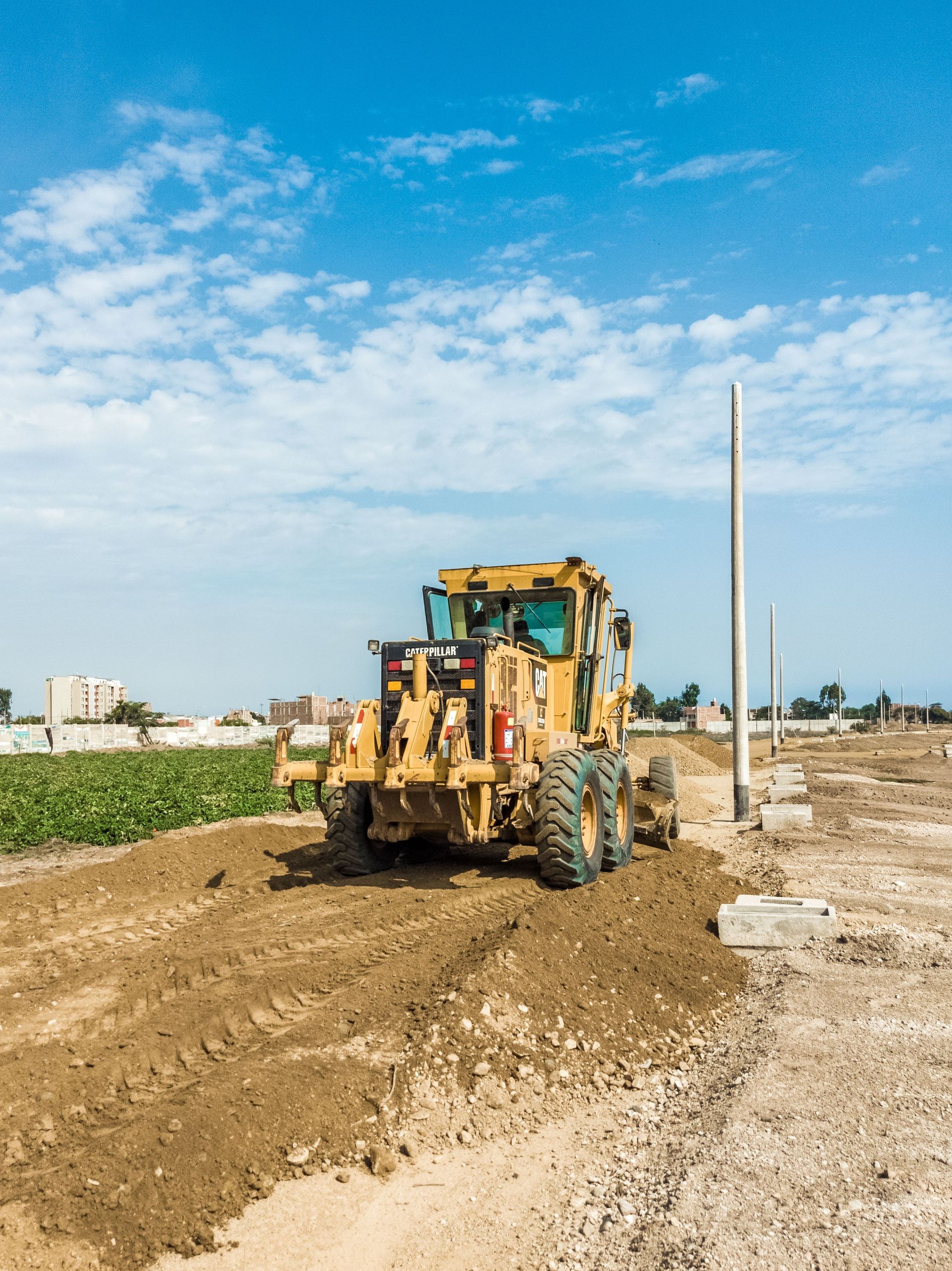
Why Grading Decisions Determine Long-Term Driveway Performance
The grading work itself involves cutting high spots, filling low areas, and shaping the cross-slope and centerline profile of the corridor so that water drains to the sides rather than channeling down the middle of the travel surface. Where the route crosses a low point or drainage swale, a culvert or drainage structure may need to be incorporated into the grading plan to maintain water flow while keeping the driveway stable. These decisions are made based on the existing grade, the discharge location available for runoff, and the length of the run involved.
After grading is complete, you will notice the corridor holds its shape under light foot traffic and that water no longer pools in the low spots that made access difficult before. The shaped base presents a consistent profile with defined shoulders, which also makes placing aggregate or other surface material significantly easier for whoever handles that work next. Where soft ground was present, the corrected subgrade eliminates the spongy, rutting behavior that made the route impassable after wet periods.
Driveway grading preparation does not include the surface material itself—aggregate, gravel, or paving are handled separately—but the quality of the base work directly determines how long any surface layer will perform. Slope, compaction standard, and drainage integration are the three variables that distinguish preparation work that supports a durable surface from work that merely moves dirt.
What Property Owners Ask About Driveway Grading
The questions here address the preparation process specifically, including how grades are established, what base conditions affect the work, and what owners should consider when planning vehicle access on rural or undeveloped parcels.
What is cross-slope and why does it matter for a driveway?
Cross-slope refers to the side-to-side tilt of the driveway surface, typically graded so water runs off to the edges rather than collecting in the center. Without adequate cross-slope, even a well-constructed surface will hold water and accelerate deterioration of both the surface and the base material beneath it.
How does soft or organic ground affect the base preparation required?
Areas with high organic content—former woodland, low-lying ground, or previously saturated soil—require removal of that material before compacted base can be established. Leaving organics in place under a driveway base leads to settlement and rutting as the material continues to decompose under load.
When is a culvert necessary during driveway preparation?
A culvert is needed when the driveway route crosses an existing drainage channel, swale, or low point that carries water across the path. Without one, the driveway acts as a dam that backs up water on the uphill side and creates erosion on the downhill side.
How does intended vehicle type change the preparation requirements?
A driveway carrying passenger vehicles requires a shallower, less compacted base than one handling delivery trucks, farm equipment, or construction vehicles. The load-bearing requirement drives decisions about base depth, material type, and compaction standard during preparation.
What should property owners in Enoree identify before requesting a grading evaluation?
Noting where water currently pools, which direction runoff moves after heavy rain, and where the driveway needs to connect at both ends gives the evaluating contractor the information needed to plan grade, drainage, and route layout before any ground is disturbed.
Masengale Land Service also performs driveway grading and preparation in Fountain Inn and the surrounding communities. To start the process for your property, describe your current access conditions and vehicle requirements when requesting an on-site evaluation from Masengale Land Service.